

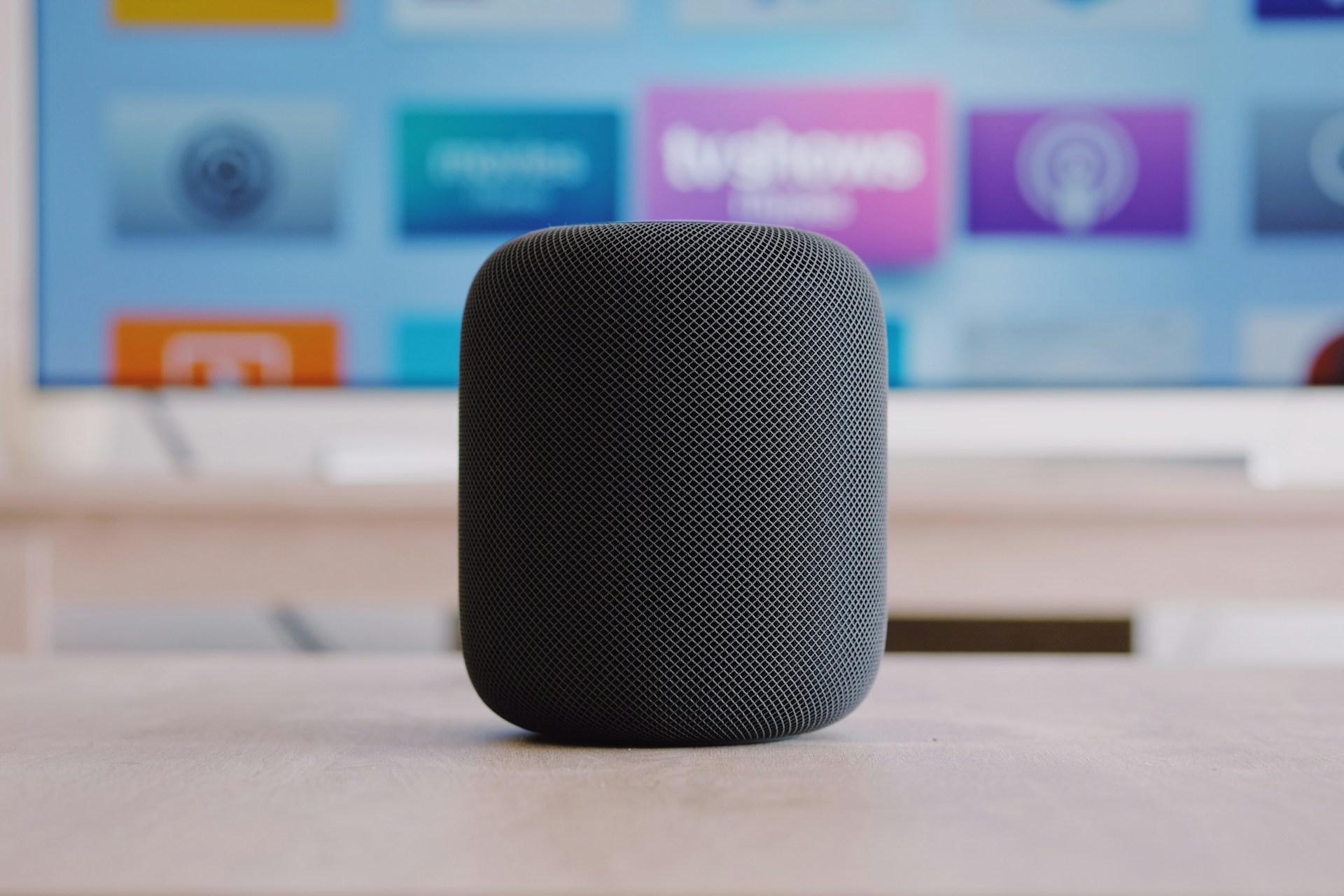
Smart home devices news has a credibility problem. Every year brings a fresh wave of announcements promising that your house is about to become intelligent, and every year most of those promises quietly fade. This guide helps you follow smart home news with clear eyes: what the real trends are, how to judge whether a new device matters, and where to find coverage you can actually trust.
Key Takeaways
- The most important smart home story is interoperability — the Matter standard is finally making devices from different brands play nicely together.
- Smart home news worth acting on usually involves shipping products with real reviews, not concept announcements from trade shows.
- The categories with the most momentum: energy management, home security, voice assistants, and lighting.
- Before buying into any ecosystem, check voice assistant support, Matter compatibility, and how the company handles your data.
- The best smart homes grow one solved problem at a time.
Why Smart Home News Deserves a Skeptical Eye
The smart home industry has cried wolf a lot — fridges with touchscreens nobody asked for, “revolutionary” hubs discontinued eighteen months later. But the category is genuinely maturing: smart thermostats cut heating bills, video doorbells deter package theft, good smart lighting changes how a home feels. The trick is separating devices that solve real problems from solutions in search of a problem.
The Trend That Matters Most: Devices Finally Working Together
The Interoperability Problem
For years, the home automation dream has been held back by fragmentation: smart bulbs spoke one protocol, thermostats another, door locks a third. Mixing brands meant juggling five apps and a prayer.
Matter Changes the Math
Matter is an industry standard backed by the biggest names in tech so certified devices work together regardless of brand. When smart home devices news mentions Matter support, pay attention — it’s the closest thing this industry has to a universal language.
What to Look For
Support for Matter plus the major voice assistants is the baseline for a device that won’t strand you in a walled garden.
Smart Home Categories Worth Watching
Energy Management
Smart thermostats learn your schedule and trim waste; smart plugs and monitors show exactly which devices eat electricity. The rare category where the device can genuinely pay for itself.
Home Security
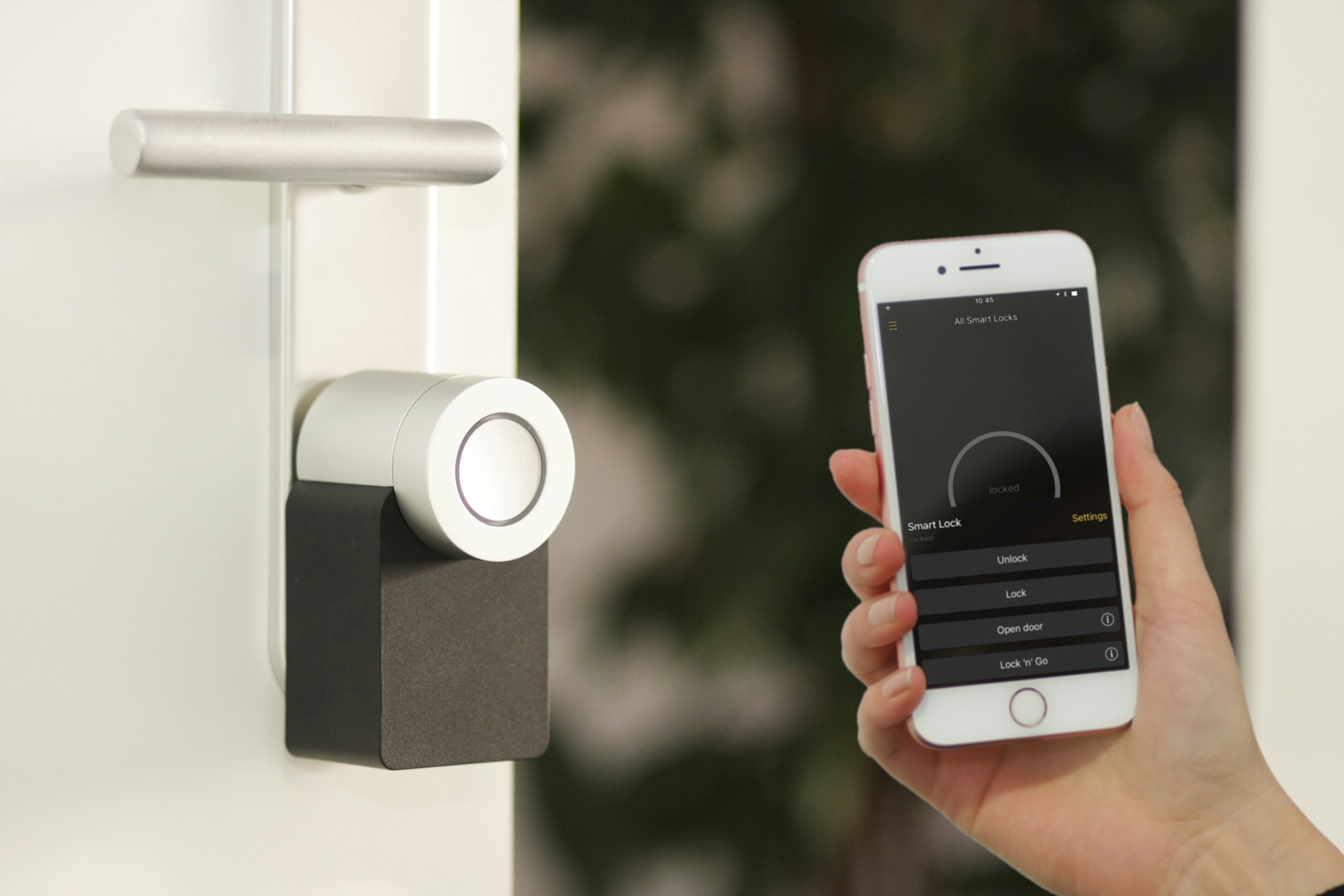
Video doorbells, smart locks, cameras, sensors — the most obvious value. News here: better night vision, smarter alerts distinguishing people from pets, local storage options without subscriptions.
Voice Assistants and Smart Speakers
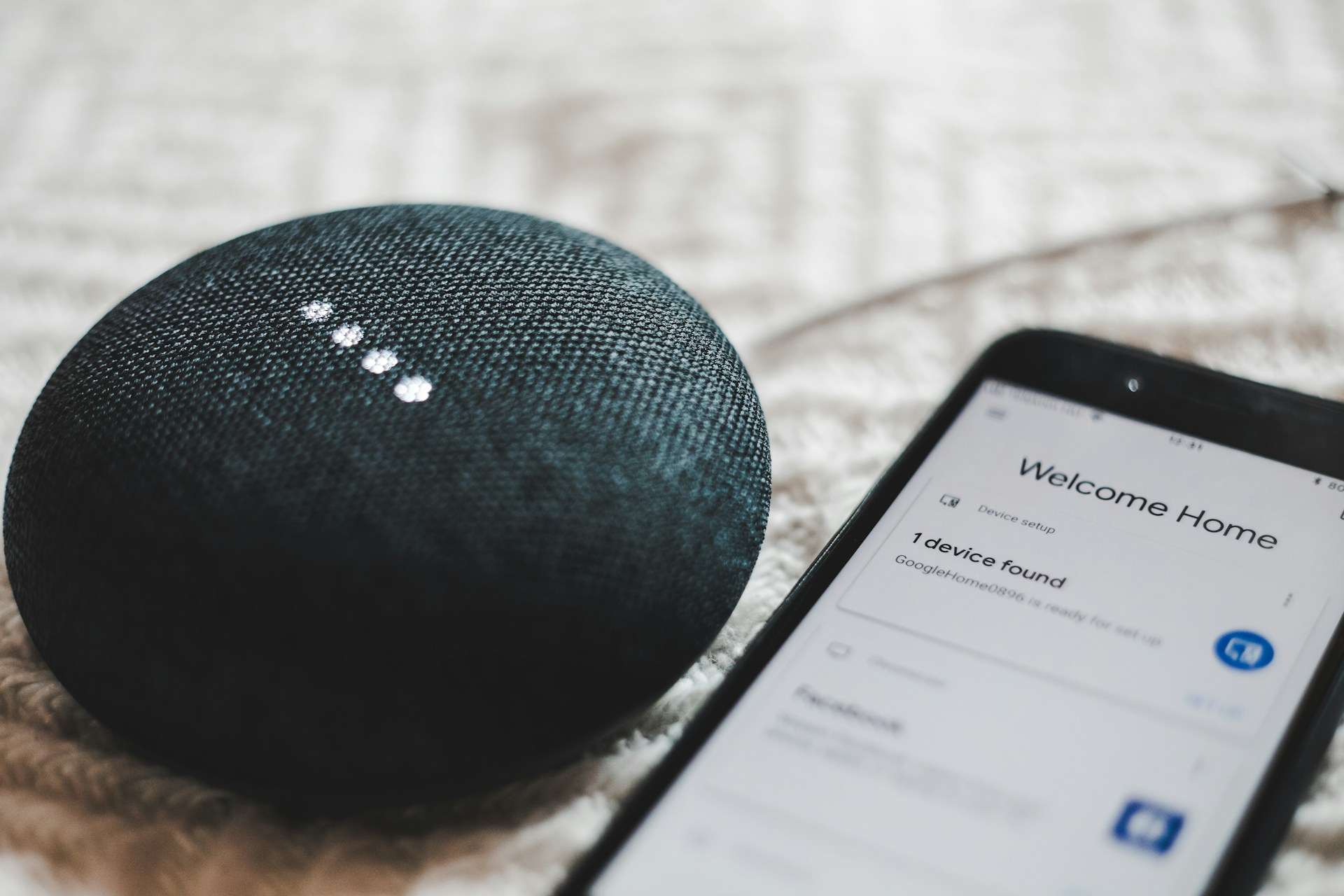
The front door of most smart homes. Developments are in capability — multi-step routines, better context — rather than speaker hardware, which is largely solved.
Lighting
Cheap, easy to install, changes a home’s feel more than almost anything else. News: better color accuracy, responsive controls, deeper routine integration.
Kitchen and Appliances
The most uneven category. Ask: does the smart feature do something the regular version can’t, or is it a normal appliance with an app bolted on? For ideas that actually earn their counter space, browse our roundup of cool kitchen gadgets.
Health and Wellness Devices
Air quality monitors, sleep trackers, connected scales — worth watching, but read the fine print on accuracy and data privacy. Sleep trackers overlap with the wearables world — see our beginner’s guide to wearable technology.
How Smart Home News Actually Breaks
Trade Shows
CES in January is the biggest stage — treat demos as a preview of direction, not a shopping list.
Company Announcements
Google, Amazon, Apple, Samsung signal where each ecosystem is heading. Every announcement is marketing — specs are real; the implied lifestyle usually isn’t.
Reviews and Teardowns
The most valuable coverage comes weeks after launch, when reviewers have lived with a device. This is what should drive buying decisions — and the same skepticism applies to unfamiliar gadget brands, as we showed in our honest look at the g15tools com gadget search term.
Standards and Industry News
Matter updates and alliance news don’t make flashy headlines but shape what you’ll be able to buy for years.
A Buyer’s Checklist for Any Smart Home Device in the News
Does it solve a problem you actually have? Will it work with what you own (Matter + voice assistants)? What’s the total cost including subscriptions? How does it handle your data? Will the company support it long-term? Can the core function work without smart features?
Building Your Smart Home News Diet
One smart-home-focused outlet for category news; release-day skepticism as a habit — wait for reviews; a yearly check-in on where Matter and the major ecosystems stand. The same one-newsletter-one-site routine works for other beats too — see our practical guide to keeping up with gaming news.
Frequently Asked Questions
What is the biggest trend in smart home devices news right now?
Interoperability via Matter, plus energy management and smarter security devices with practical momentum.
Should I wait for Matter before buying smart home devices?
Favor devices that already support it; no need to rip out a working setup.
Are smart home devices safe from hackers?
Stick to reputable brands, strong unique passwords, 2FA, firmware updates, and guest-network segmentation for IoT.
Do smart home devices work without internet?
Depends — some process locally; many cloud-dependent devices lose features offline. Check before buying locks or cameras.
How much does it cost to start a smart home?
A smart speaker plus a couple of bulbs or plugs starts well under a hundred dollars.
What’s the difference between a smart home hub and a voice assistant?
The assistant is how you talk to your smart home; the hub is the behind-the-scenes coordinator. Many modern setups don’t need a separate hub anymore.
Conclusion
Watch the interoperability story, favor categories with proven value like energy management and security, and let reviews — not launch events — drive your decisions. Build slowly, solve one problem at a time.
