

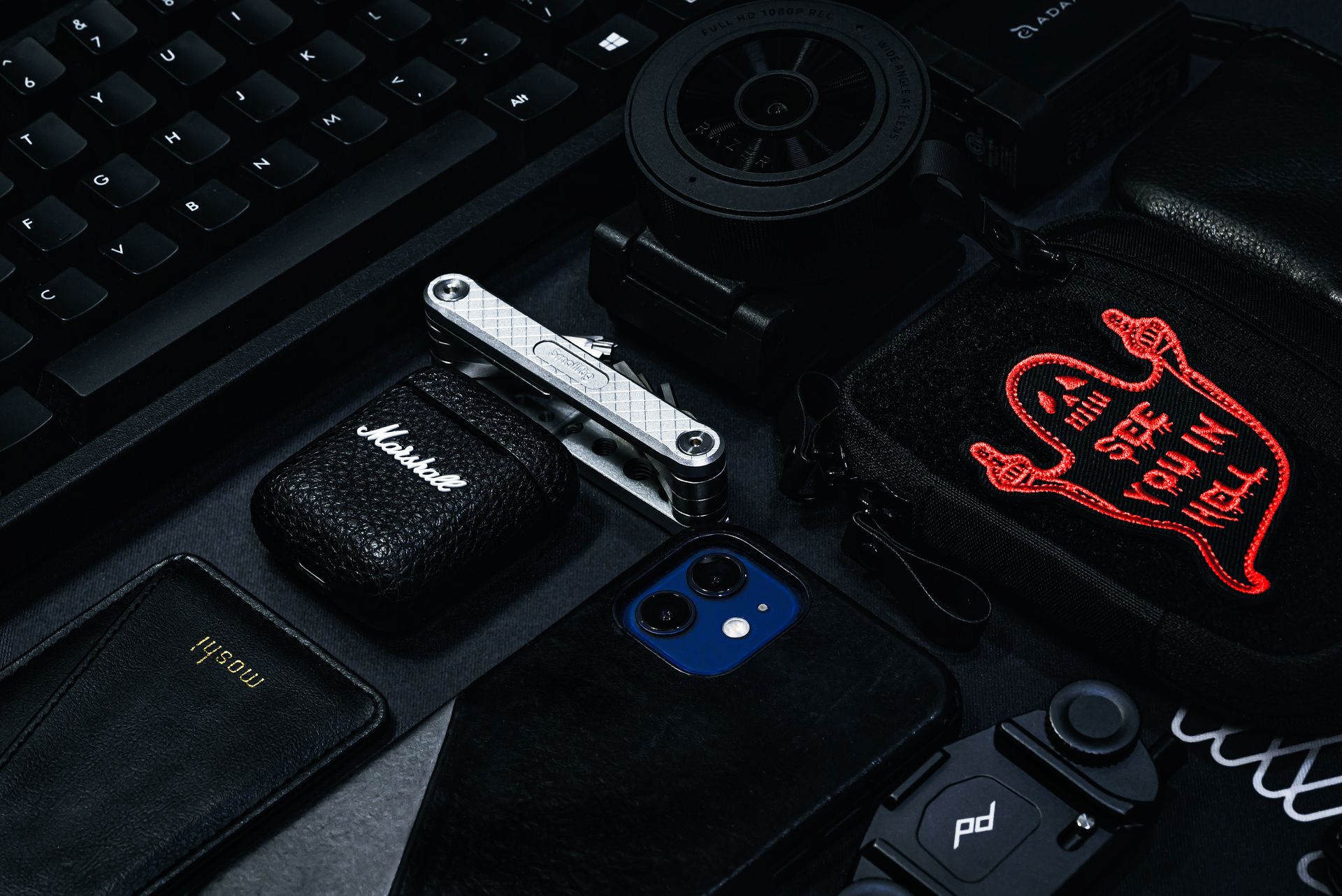
Must have gadgets are the few devices you reach for every day without thinking: your phone, a pair of earbuds, a charger that actually works, a power bank on travel days, and a small set of home and work tools that keep the day running. They earn the title because they solve a daily problem, not because they look futuristic. If a gadget does not make a normal Tuesday easier, it does not belong on this list.
Most people already own the core set. What they are missing is usually the supporting cast: a fast charger where you actually charge, a cable that is long enough to reach the couch, a Bluetooth tracker for the keys you always lose, a smart plug for the lamp you always forget, and a decent laptop stand if you work from home. This article covers that practical core, grouped by where you use it, so you can fill the gaps without buying duplicates or novelties that gather dust.
The test for every item here is simple. Would you miss it tomorrow if it disappeared? If the answer is yes, it is a must-have. If the answer is "it was fun for a week," it is a toy. That filter also works for bigger purchases. A better kitchen setup can matter more than another smart speaker, because you use it every morning. A wrist device that tracks sleep and steps works on the same idea as other wearable technology, only the point is daily usefulness, not specs. And if you want to compare across categories before you spend, our gadget guides cover how to judge a device by what it does for you, not by how flashy it looks.
Phone Essentials: The Core You Already Carry
Your phone is the hub, so the must-haves around it are about keeping it charged, protected, and usable. A fast USB-C charger with at least one USB-C port and one USB-A port covers a phone, earbuds, and a tablet from a single brick. Keep one where you charge at night and one in your bag. A braided cable in a useful length — around six feet for the nightstand, three feet for the bag — beats the short cable that came in the box. A tempered-glass screen protector and a case with a real lip around the screen save more money than any other accessory, because they prevent the crack that ruins a phone’s resale value.
A portable power bank belongs in the same tier. Pick one with enough capacity to charge your phone at least twice, USB-C fast charging in and out, and a display or simple indicator so you know how much charge is left. A slim 10,000 mAh bank covers most days and fits a jacket pocket. A heavier 20,000 mAh bank suits travel and long days away from outlets. Skip the solar panel on a pocket bank unless you actually spend days off-grid. A wall charger at your destination charges faster and weighs less.
A Bluetooth tracker rounds out the phone kit. A small tag on your keys, wallet, or bag lets your phone show its last known location and beep when it is nearby. It will not find a wallet you left in a taxi two cities away, but it will save the daily ten-minute hunt for keys in the couch. Buy the tracker that matches your phone’s ecosystem, so it works without a second app you will never open.
Audio: Earbuds, Speakers, and Quiet When You Need It
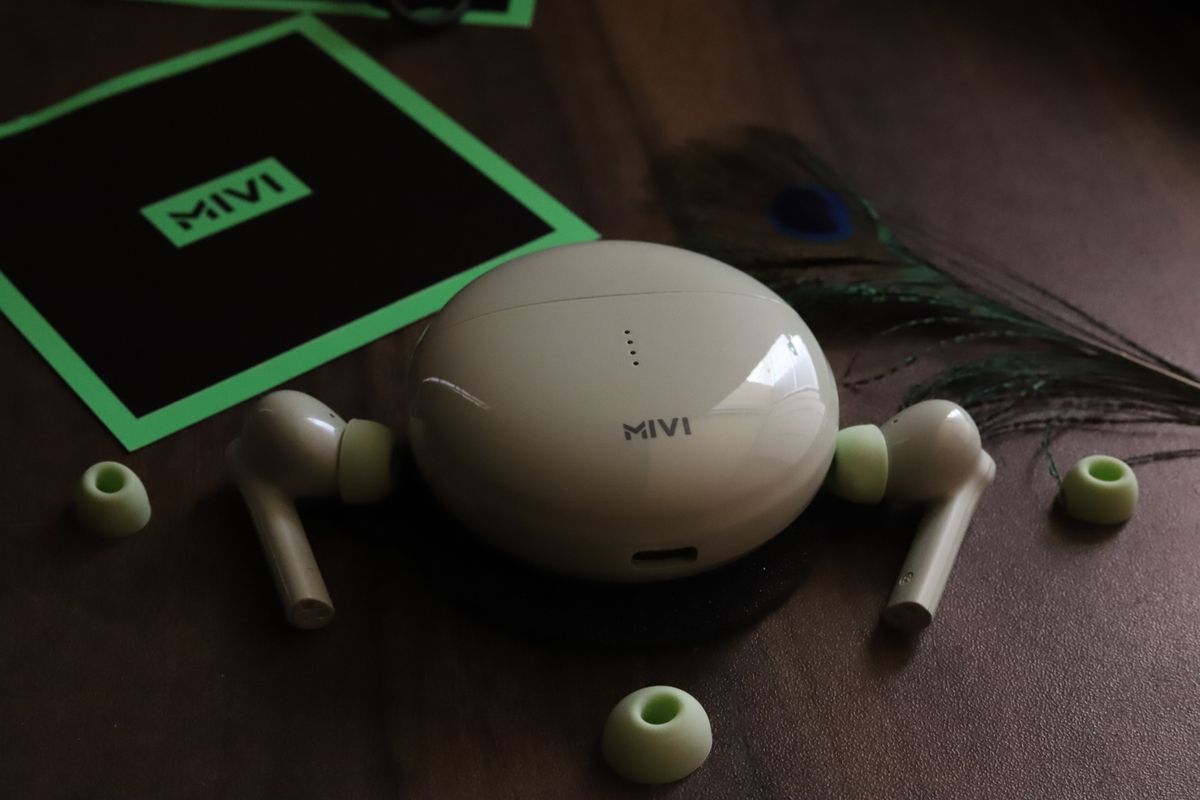
Wireless earbuds are the most-used gadget most people own after the phone. Good ones need three things: a secure fit, enough battery for your longest day, and a case that charges quickly. Noise cancellation matters if you commute, fly, or work in a noisy room. It matters less if you mostly listen at home. Water resistance matters if you run or work out in them. Do not pay extra for features you will never use, like spatial audio on a pair you only wear for calls.
A compact Bluetooth speaker earns its place for a different reason: it moves sound out of your pocket and into the room. A small waterproof speaker works in the kitchen, the shower, the backyard, and the campsite. Keep the volume reasonable around neighbors and wildlife, and pick one with a battery that lasts a full evening, not an hour. A smart speaker fits if you already use voice assistants for timers, music, and lights. If you do not use voice commands, a plain Bluetooth speaker is cheaper and simpler.
Noise-canceling headphones are the upgrade for people who work, study, or travel in noise. They help on planes, in open offices, and in shared homes. They are not a must-have for everyone. If you mostly listen in a quiet room, good earbuds cover you. If you take calls all day, a comfortable headset with a clear mic beats earbuds for long sessions.
Smart Home Basics: Small Automations That Save Time
Smart home gadgets are only must-haves when they remove a daily annoyance. A smart plug is the simplest start: plug in a lamp, a fan, or a coffee maker, then set a schedule or control it from your phone. It costs little, needs no hub on most models, and pays off the first week you stop walking back across the house to switch something off. A smart bulb does the same for lighting, with dimming and warm-to-cool tones that help in the evening.
A video doorbell or a small indoor camera fits if you get deliveries, live alone, or want to check in while you travel. It should send alerts you can act on, store clips long enough to matter, and work without a subscription for the basics. A smart lock helps if you regularly let in family, cleaners, or guests, or if you lose keys. If you never have that problem, a good mechanical lock is fine. A smart thermostat saves energy if your schedule varies and your home has the wiring for it. If you rent or your schedule is fixed, skip it.
The rule with smart home gear is to keep it boring. Pick devices that work with the voice assistant or app you already use, avoid gadgets that need their own hub for one job, and make sure everything still works with a physical switch when the Wi-Fi drops. A smart home that fails when the internet blips is not smart. It is fragile.
Work From Home: The Desk Kit That Protects Your Back
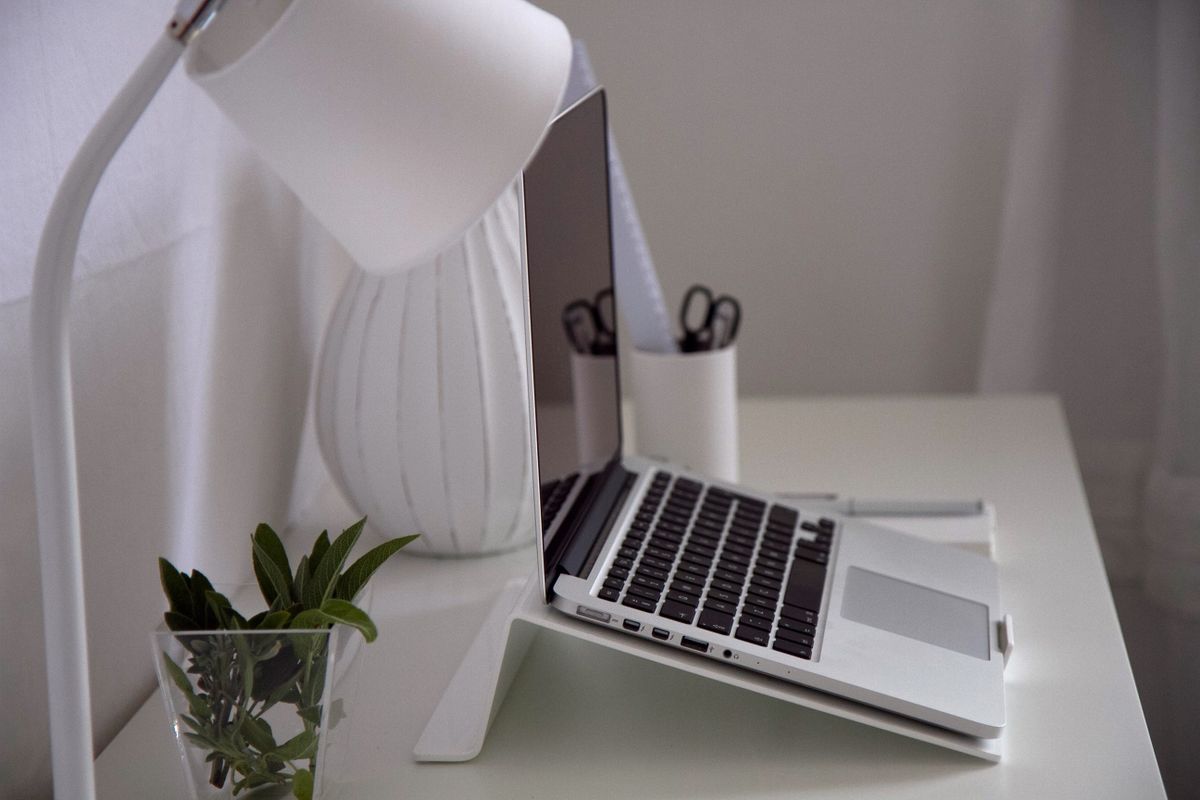
Remote work turned a few desk gadgets into daily essentials. A laptop stand lifts the screen to eye level, which helps your neck and shoulders more than any app. Pair it with an external keyboard and mouse if you work more than a couple of hours a day at a laptop. A good desk lamp with adjustable brightness helps your eyes, especially in rooms with weak overhead light. A USB hub with HDMI, USB-A, USB-C, and an SD slot fixes the port shortage on thin laptops, and it should support power delivery so your laptop charges through it.
A second monitor is the biggest productivity upgrade for most home workers, but it is not a must-have for everyone. If you mostly answer messages and write short documents, one good screen is enough. If you compare documents, edit video, or keep a call open while you work, a second screen pays for itself quickly. A comfortable chair matters more than a second screen. You sit in it for hours. A cheap chair that hurts your back costs more in the long run than a decent one.
Cable management sounds dull, but it matters. A small tray or a few clips keep chargers, hub cables, and headphone cords off the floor and away from chair wheels. A tech organizer pouch keeps the cables you travel with in one place. These are cheap, unglamorous, and used every day, which is exactly what a must-have should be.
Health and Daily-Routine Gadgets: Small Helps That Add Up
A smartwatch or fitness band is a must-have if you already use it to check time, track steps, see notifications, and nudge yourself to move. It is not a must-have if it sits in a drawer. The best one is the one you will wear every day, with a battery that survives your routine and a screen you can read in sunlight. Sleep and heart-rate tracking are useful as trends across weeks, not as single-night verdicts. If you already own a watch you love, a simple step goal on your phone covers most of the same ground.
A smart water bottle helps if you genuinely forget to drink. A marked bottle and a phone reminder do the same job for free, so buy the smart version only if the nudge changes your behavior. A sunrise alarm helps if you wake up in a dark room and hate a harsh buzzer. A white-noise machine helps if street noise or a snoring partner wakes you. These are small, cheap, and easy to test. Buy one, try it for two weeks, and keep it only if your mornings or nights actually improve.
Kitchen gadgets overlap here too. A reliable kettle, a coffee maker you use every morning, or a simple upgrade to your morning routine can matter more than another smart device, because you use it before you even think about tech. The gadget is the helper. The routine is the result.
Travel and Everyday Carry: What to Pack, What to Leave
Travel separates must-haves from dead weight fast. The everyday-carry core is short: phone, wallet, keys, earbuds, power bank, a charging cable, and a small organizer for the lot. Add a compact travel adapter if you go abroad, and a packing cube or two if you hate digging through a suitcase. A Bluetooth tracker on your bag helps at airports and in taxis. A portable luggage scale saves the embarrassment of repacking at the check-in counter, but only if you regularly pack close to the limit.
Leave the rest at home. A second speaker, a third cable, a projector, a drone you have never flown, and a gadget that needs its own app for a weekend trip are all weight you will carry and not use. Pack the essentials first, then add one comfort item only if space allows. If the bag is already full, the gadget does not come, no matter how cool it looked online.
Must Have Gadgets at a Glance
| Gadget | Why it earns its place | Best for | Skip it if |
|---|---|---|---|
| Fast USB-C charger + braided cable | Charges everything, reaches where you sit | Everyone | You already have spares that work |
| Power bank (10,000 mAh) | Phone alive on long days and travel | Commuters, travelers | You are near outlets all day |
| Wireless earbuds | Calls, music, podcasts on the go | Commuters, exercisers | You prefer wired or over-ear only |
| Bluetooth tracker | Finds keys, wallet, bag | People who lose things | You never lose anything |
| Smart plug / smart bulb | Schedules and remote control for lamps | Forgetful, renters, travelers | You like manual switches |
| Video doorbell / camera | Deliveries, security, check-ins | Solo living, frequent deliveries | Strong privacy concerns, no deliveries |
| Laptop stand + keyboard + mouse | Neck, shoulder, and wrist comfort | Home workers | You work at a desk rarely |
| USB hub with power delivery | Ports + charging through one adapter | Thin laptops, multi-device desks | Your laptop already has the ports |
| Smartwatch / fitness band | Steps, notifications, sleep trends | Daily wearers, movers | It would sit in a drawer |
| Compact Bluetooth speaker | Music in any room or outdoors | Kitchen, shower, backyard | You only listen on earbuds |
What to Skip
Skip anything that solves a problem you do not have. A smart shower head, a Wi-Fi toaster, a gadget that needs its own app and subscription for one job, and a novelty device you saw in a viral video are all easy passes. Skip duplicates too. One good charger beats three weak ones. One reliable speaker beats a speaker plus a backup speaker plus a soundbar you never use. Lay out what you already own, circle the gap, and buy only the gap.
Skip the flagship trap as well. The most expensive version is rarely the must-have version. A mid-range power bank, a mid-range earbud, and a mid-range charger cover nearly every daily need. Spend the savings on the things that touch your body for hours: a good chair, a good pillow, a good pair of shoes. Those are the purchases you feel every day.
Frequently Asked Questions
What are the top 5 must have gadgets?
For most people: a fast USB-C charger with a good cable, a power bank, wireless earbuds, a Bluetooth tracker for keys or wallet, and one smart-home helper like a smart plug. Add a laptop stand and keyboard if you work from home.
What gadgets do I actually need in daily life?
The ones you use without thinking: phone, charger, earbuds, and a way to stay charged and find your things. Everything else should solve a specific daily annoyance, like a dark room, a noisy office, or a sore neck from laptop work.
Are smart home gadgets worth it?
Small ones are, when they remove a real annoyance. A smart plug on a schedule, a smart bulb with dimming, and a doorbell camera for deliveries all earn their place. Big smart-home overhauls are not must-haves for most homes.
What is the best must have gadget for travel?
A power bank, a travel adapter if you go abroad, and a Bluetooth tracker on your bag. Those three cover the most common travel headaches: dead phones, wrong plugs, and lost bags.
Do I need a smartwatch?
Only if you will wear it every day and use it for time, steps, notifications, or sleep trends. If you already love a normal watch, or if a tracker would sit in a drawer, skip it. A step goal on your phone covers most of the same ground.
How do I avoid buying gadgets I will not use?
Use the tomorrow test: would you miss it tomorrow if it disappeared? Buy only the gap in what you already own, try it for two weeks, and return it if your days do not actually get easier.
What is the biggest waste of money in gadgets?
Duplicates and novelties: a second speaker, a third charger, a gadget that needs its own subscription for a weekend trip, and anything you bought because it looked fun in a video rather than because it fixed a problem you have.
Final Thoughts
The best gadget collection is boring in the best way: everything charged, everything findable, a comfortable desk, a quiet room when you want it, and music where you want it. Start with the core — charger, cable, power bank, earbuds, tracker — then add one helper at a time for the annoyance that actually bothers you. If a gadget does not make a normal day easier after two weeks, send it back. The point was never to own more tech. It was to spend less time fighting it.
