


Wellness gadgets are small devices that help you sleep better, move more, stress less, drink enough water, and notice when your body needs rest. The ones worth buying do one job clearly: a sleep tracker shows whether you are actually resting, a smart ring or watch flags when your recovery dips, a sunrise alarm makes mornings less jarring, and a smart water bottle reminds you to drink before the afternoon headache arrives. The rest is noise. If a device does not change a habit you already care about, it will end up in a drawer.
Most people do not need a shelf full of health tech. They need one or two devices tied to a real problem. You toss and turn at night, so a sleep tracker plus a better bedtime routine makes sense. You sit all day, so a reminder to stand and a step goal matter more than a fancy massager. You train hard, so a recovery score helps you decide between a hard workout and a rest day. Start from the problem, not the product page, and you will spend less and actually use what you buy.
That problem-first check works for any smart device. A morning routine is only as good as the habits around it, and small upgrades to your kitchen setup can matter as much as a new tracker when you are trying to eat and drink better. A wrist device that tracks sleep and heart rate works on the same idea as other wearable technology, only the point is trends over weeks, not a single night’s score. And if you want to compare across categories before you spend, our gadget guides cover how to judge a device by what it does for your routine instead of how shiny it looks.
What Wellness Gadgets Do, and What They Do Not Do
Wellness gadgets fall into a few clear jobs. Sleep devices track or improve rest. Recovery devices measure strain, soreness, and readiness. Stress and calm devices guide breathing, meditation, or relaxation. Hydration devices remind you to drink and track intake. Movement devices count steps, nudge you to stand, and log workouts. Home-environment devices manage light, sound, and air so your body can wind down.
What they do not do matters just as much. A sleep tracker cannot make you sleep. It can show that you went to bed too late, woke up often, or got very little deep sleep, but fixing that still takes a regular bedtime and a dark, cool room. A recovery score cannot diagnose illness or injury. A meditation app cannot remove a stressful job. A smart bottle cannot force you to drink. Think of these devices as mirrors and reminders, not as treatment. If something feels medically wrong — chest pain, fainting, severe anxiety, a wound that will not heal — see a clinician instead of shopping for a gadget.
Sleep Gadgets: Trackers, Alarms, and Better Nights
Sleep is where wellness gadgets earn their keep, because bad sleep touches everything else. A smartwatch, fitness band, or smart ring tracks how long you sleep, how often you wake, and rough sleep stages. The exact stage numbers are estimates, not lab measurements, so do not obsess over a single night. Look at patterns across two or three weeks: Are you consistently short on sleep? Do late meals or late workouts line up with restless nights? That is the useful signal.
A sunrise alarm clock is a simpler win. Instead of a harsh buzzer in a dark room, it gradually brightens to mimic dawn, then plays a gentle sound. Many people find it easier to wake up to, especially in winter or in rooms with blackout curtains. White-noise machines and sleep earplugs help if street noise, a snoring partner, or thin walls keep waking you. A cooling mattress pad or a breathable pillow helps if you sleep hot. Pick the one that matches your actual problem. A tracker will not help if your real issue is noise, and earplugs will not help if your real issue is an irregular schedule.
One habit beats any device here: a steady wake time. Go to bed and get up at roughly the same time, even on weekends, keep the bedroom dark and cool, and put the phone down at least 30 minutes before bed. A tracker can confirm whether that routine is working. It cannot replace it.
Recovery Gadgets: Soreness, Strain, and Rest Days
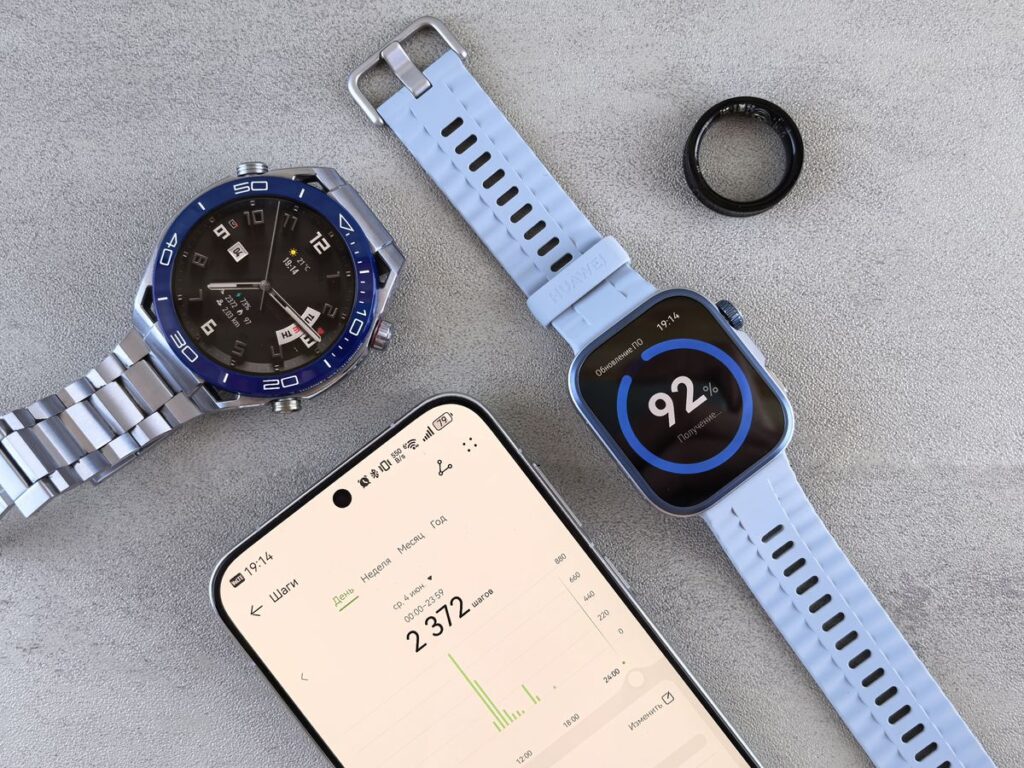
Recovery gadgets help you decide how hard to push. The most common is a wrist device or ring that combines heart-rate variability, resting heart rate, sleep, and recent activity into a readiness or recovery score. A high score after a good night suggests you can train normally. A low score after poor sleep, illness, or a heavy week suggests an easy day. The score is a guide, not a verdict. If you feel terrible and the app says you are ready, trust your body.
Massage guns are the most popular hands-on recovery tool. They help loosen tight muscles after a workout or a long day at a desk, and many people like them for calves, quads, and shoulders. Use light pressure for a few minutes per muscle group, and skip bony areas, the neck, and any spot that is injured or swollen. Foam rollers and massage balls do a similar job for less money, and they never run out of battery. Compression boots feel great after long runs or long shifts on your feet, but they are a luxury, not a necessity.
Cold and heat tools sit in the same category. A cold pack helps a fresh, swollen bump. A heating pad helps a stiff, achy back. Fancy cold-plunge tubs and infrared pads are popular, but they are expensive and take up space. A bag of ice, a warm shower, and a rest day cover most of what a casual exerciser needs. Buy the advanced version only if you already use the simple version regularly.
Stress and Calm Gadgets: Breathing, Meditation, and Focus
Stress gadgets work by slowing you down for a few minutes. Guided-breathing devices use light or vibration to pace your inhales and exhales. Meditation headbands give simple feedback on whether your mind is settling during a session. Smart speakers and apps can run short guided meditations, body scans, or wind-down routines before bed. The device itself is not magic. The pause is the point.
The best test is whether you will use it when you are actually stressed, not just when you feel calm. A breathing device on your nightstand helps if you reach for it before bed. A meditation app helps if you open it during a tense afternoon instead of scrolling. If you hate wearing a headband or dislike guided audio, skip those and try something simpler: three slow breaths at your desk, a short walk without your phone, or a paper notebook for a five-minute brain dump. A gadget that annoys you will not calm you down.
Light and sound shape stress more than most people realize. A warm, dim lamp in the evening tells your body the day is winding down. A sunrise alarm in the morning does the opposite. Noise-canceling earbuds or earplugs help in loud offices, on planes, and in shared homes. None of these require a subscription, and all of them work without an app. If a stress gadget needs a monthly fee to do something a lamp and a timer can do, think twice.

Hydration, Food, and Daily-Habit Gadgets
Hydration gadgets are simple and surprisingly useful. A smart water bottle tracks how much you drink and glows or buzzes when you fall behind. A basic marked bottle and a phone reminder do the same job for free, so a smart bottle only makes sense if you genuinely forget to drink and like the nudge. A water filter pitcher or a countertop filter improves taste, which helps some people drink more. A smart scale tracks weight trends, and a blood-pressure cuff at home helps people who need to share readings with their doctor. Both are useful when the numbers go to a real decision, like a checkup or a medication review, not when they just feed anxiety.
Kitchen habits matter here too. A scheduled morning routine — water first, a real breakfast, a few minutes of light — does more for steady energy than any single device. Small upgrades like a reliable kettle or a better morning setup can make that routine easier to stick to. The gadget is the helper. The routine is the result.
Posture and movement gadgets fill the same gap. A standing-desk reminder, a step goal, or a simple hourly stand nudge breaks up long sitting. A cheap phone timer works. A smartwatch works if you already wear one. Do not buy a separate posture device if you already ignore the reminders on the watch you own.
Wellness Gadgets at a Glance
| Gadget type | What it helps | Best for | Watch out for |
|---|---|---|---|
| Sleep tracker (watch, band, ring) | Sleep duration, patterns, readiness | Poor sleep, irregular schedules | Stage numbers are estimates |
| Sunrise alarm clock | Gentler mornings | Hard risers, dark rooms | Needs a steady wake time |
| White-noise machine / earplugs | Blocks disruptive noise | Light sleepers, noisy homes | Fit and comfort |
| Recovery score / HRV tracker | Strain vs. rest decisions | Exercisers, athletes | Score is a guide, not a diagnosis |
| Massage gun / foam roller | Tight muscles, soreness | After workouts, desk stiffness | Skip injured or swollen areas |
| Breathing / meditation device | Calm, focus, wind-down | Stress, racing mind at bedtime | Only helps if you actually use it |
| Smart water bottle | Hydration reminders, intake tracking | People who forget to drink | Subscription and cleaning |
| Smart scale / BP cuff | Weight and blood-pressure trends | Sharing readings with a clinician | Do not over-check daily |
| Noise-canceling earbuds | Focus, sleep, travel | Loud offices, planes, shared homes | Battery and fit |
How to Pick the Right Wellness Gadget
Start with your wellness goal, not the product page. Pick one problem you want to improve in the next month: sleep, stress, movement, hydration, or recovery. Then pick one device that serves that problem. If you try to fix all five at once, you will end up with five apps, five chargers, and no habit.
Then check the practical details. Does it need a subscription to unlock the features that matter? Many trackers and some meditation apps charge monthly, and that cost can exceed the device price within a year. Does it work with the phone and apps you already use? Does it hold a charge long enough for your routine? Is it comfortable to wear all night, if it is a sleep device? Can you wash or clean it easily? A device that is annoying to maintain will end up in a drawer.
Privacy matters more with health data than with most gadgets. A sleep tracker, a heart-rate monitor, and a meditation app all collect sensitive information. Check what data the company collects, whether you can delete it, whether it sells or shares it, and whether the device keeps working if the company stops supporting it. A simpler device from a company with a clear privacy policy often beats a flashier one that locks your data behind a subscription.
Finally, give it a fair trial. Use the device daily for two or three weeks before judging it. Check whether your sleep, steps, stress, or hydration actually improved, and whether the device made the habit easier. If it did, keep it. If it did not, return it and spend the money on the habit itself: a better pillow, a walk at lunch, or a real break from screens before bed.
Common Mistakes to Avoid
The most common mistake is buying for the gadget instead of the goal. A sleep tracker will not fix a 2 a.m. bedtime. A massage gun will not fix a chair that hurts your back. A meditation app will not fix a calendar packed with back-to-back meetings. Fix the root cause first, then add tech where it genuinely helps.
Another mistake is stacking devices. Five trackers with five apps and five logins is a chore, not a system. Where you can, pick devices that share one app or at least play well with the phone you already use. Your future self will thank you for keeping it simple.
A third mistake is over-reading single numbers. One bad night, one low recovery score, or one high heart-rate reading is not a crisis. Look for patterns across several days, watch how you actually feel, and talk to a clinician if a change sticks. Devices are good at spotting change. You are still the best judge of your body.
Frequently Asked Questions
What is the best wellness gadget to buy first?
Start with the device that fixes your biggest daily friction. For most people that is a sleep tracker you will actually wear, a sunrise alarm if mornings are hard, or a simple step and stand reminder if you sit all day. Add a second device only after the first one proves itself for a few weeks.
Are wellness gadgets worth the money?
They are worth it when they change a habit you care about, like sleeping longer, moving more, or noticing when you need rest. They are not worth it when they duplicate something you already handle easily, or when the subscription costs more than the benefit.
Do sleep trackers really work?
They track sleep duration and patterns reasonably well, and they are useful for spotting trends across weeks. Their sleep-stage numbers are estimates, not lab measurements, so treat them as rough guides rather than exact facts.
Do I need a subscription for a wellness gadget?
Many trackers and meditation apps charge a monthly fee for the features that matter most, like detailed trends or guided programs. Before you buy, check what works without a subscription and add up the full first-year cost, including the device, the fee, and any replacement parts.
Can wellness gadgets replace a doctor?
No. They can help you notice changes and bring better notes to a checkup, but they cannot diagnose illness, replace checkups, or treat anxiety, pain, or sleep disorders. If something feels medically wrong, see a clinician.
Are wellness gadgets safe?
Most are safe for healthy adults when used as directed. Skip massage guns on injured or swollen areas, keep cameras and microphones out of bedrooms, and check with your doctor before using recovery or stimulation devices if you are pregnant, have a heart condition, epilepsy, or are recovering from surgery.
How long should I try a wellness gadget before judging it?
Give it two to three weeks of daily use. A single night or a single workout tells you almost nothing. Patterns across weeks tell you whether the habit is actually sticking.
Final Thoughts
The best wellness gadget is the one you forget you own until it quietly helps: a full night’s sleep, a glass of water on time, a calmer few minutes before bed, a rest day taken before you burn out. Pick one device for one real problem, give it a fair trial, and judge it by whether your days feel easier. If it does, keep it. If it does not, send it back and spend the money on the habit itself. The gadget is never the point. How you feel is.
