

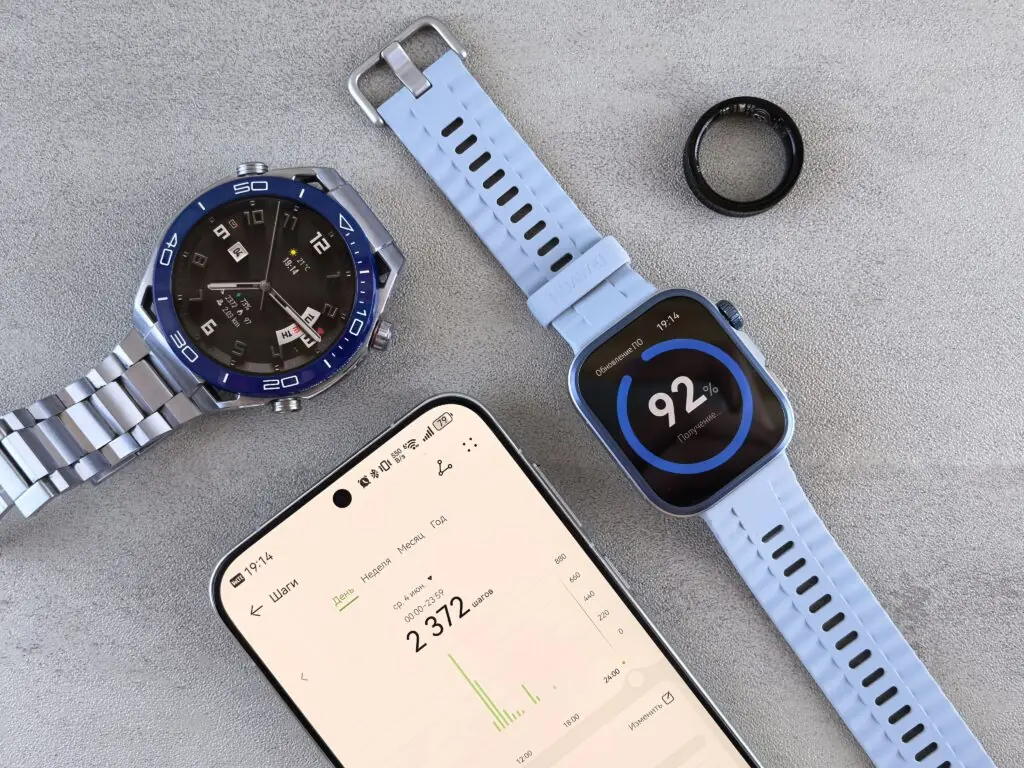
Wearable technology — often shortened to “wearables” — is any electronic device designed to be worn on the body that collects data, performs tasks, or connects wirelessly to other devices. Smartwatches, fitness trackers, and smart rings are the most common examples of these gadgets, but the category also includes smart glasses, smart earbuds, and even sensor-equipped clothing.
If you’ve ever wondered what makes these devices tick, which type is right for you, or whether they’re actually worth buying, this guide covers it all — in plain language, with no jargon. (For a second opinion, Wareable’s guide to wearable tech is also worth a read.)
Key Takeaways
- Wearable technology means body-worn electronics with built-in sensors that track data or perform tasks — smartwatches and fitness trackers lead the category.
- How it works: tiny sensors (heart rate, motion, GPS) collect data, a small chip processes it, and Bluetooth sends it to a companion app on your phone.
- Main trade-offs: battery life, phone compatibility, comfort, and data privacy are the four things to weigh before buying.
- Bottom line: wearables are great for tracking trends in your health and simplifying daily tasks, but they are lifestyle tools — not medical devices.
How Wearable Technology Works
Every wearable, from a basic fitness band to an advanced smartwatch, runs on the same three-part formula: sensors, processing, and connectivity.
Sensors do the measuring. Most wearables use optical heart-rate sensors that shine light through your skin to detect blood flow. Motion sensors — accelerometers and gyroscopes — track steps, count movement, and detect orientation. Many devices also include GPS for mapping runs and rides, plus sensors for skin temperature or blood oxygen depending on the model.
A small processor makes sense of the data. The raw sensor readings are converted into things you actually understand: step counts, sleep stages, workout summaries, and calorie estimates. Some processing happens on the device itself, which is why a smartwatch can show your heart rate in real time without your phone nearby.
Connectivity ties it all together. Bluetooth is the workhorse here — it syncs your wearable with a companion app on your phone, where your history, trends, and settings live. Many devices also use Wi-Fi or cellular connections for features like streaming music or receiving calls without a phone in range. Your data typically syncs to a cloud account, which is convenient for backups but also why privacy settings deserve your attention. Much like the smart tech in today’s connected cars, wearables are part of a much bigger ecosystem of connected devices.
The Main Types of Wearable Technology
Smartwatches
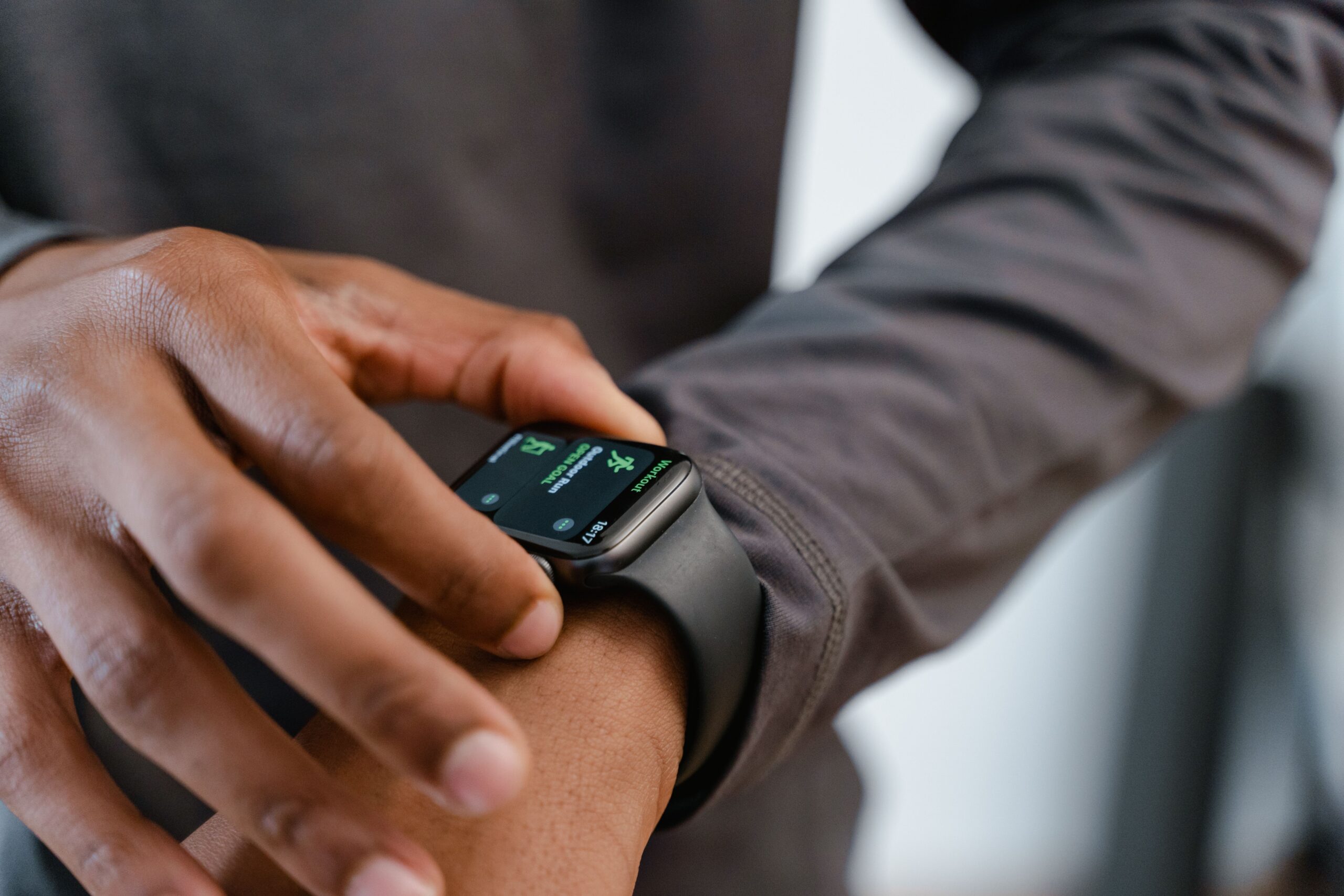
Smartwatches are the most versatile wearables. Beyond telling time, they show notifications, track workouts, monitor heart rate and sleep, and run apps for everything from navigation to contactless payments. Most pair tightly with a phone ecosystem — an Apple Watch works best with an iPhone, while Wear OS watches pair more naturally with Android phones. They’re ideal if you want one device that does a bit of everything.
Fitness Trackers
Fitness trackers are the simpler, lighter cousins of smartwatches. They focus on activity: steps, distance, calories, sleep, and heart rate. They tend to be slimmer, cheaper, and longer-lasting on a charge than full smartwatches, which makes them a great pick if health tracking is your main goal and you don’t need apps or a big screen on your wrist.
Smart Rings
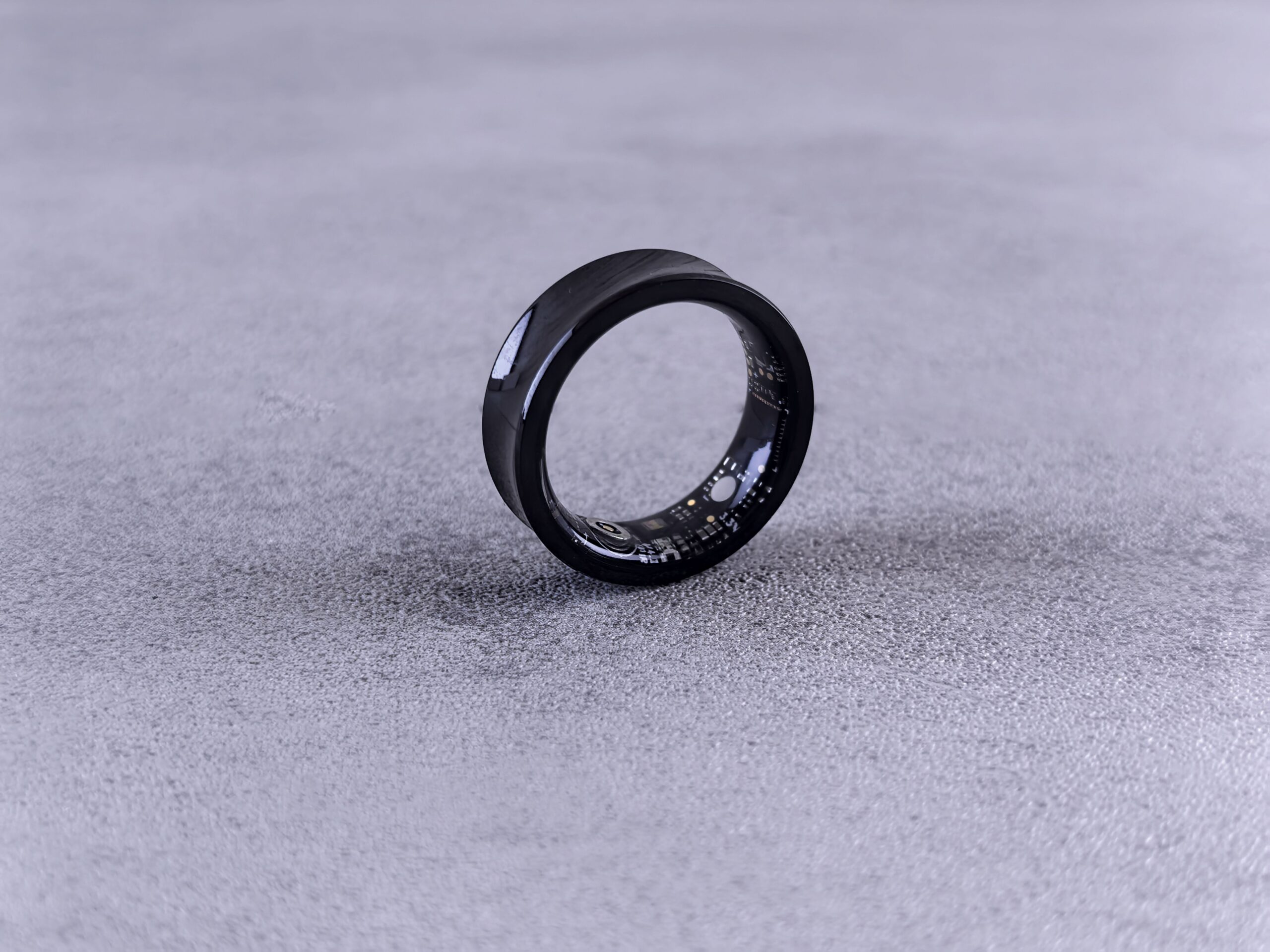
Smart rings pack health tracking into something you barely notice wearing. They typically monitor sleep, activity, heart rate, and recovery, syncing everything to a phone app. Their appeal is discretion — no screen, no bulk, no nightly charging for most models. The catch is sizing: a ring that doesn’t fit well won’t track well, so accurate sizing matters more here than with any other wearable.
Smart Glasses
Smart glasses put a display, camera, or audio in an eyeglass frame. Current models range from glasses with built-in speakers and microphones for calls and music, to versions with small displays for notifications and navigation. This category is still maturing, but it’s moving steadily from novelty toward practical everyday use.
Hearables (Smart Earbuds)
The earbuds in your ears are wearables too. Modern wireless earbuds do far more than play music — they offer noise cancellation, voice assistants, real-time translation features, and even basic fitness tracking in some models. Because people already wear them for hours daily, hearables have quietly become one of the most-used wearable categories.
Smart Clothing
Sensor-equipped shirts, socks, and shoes measure things like posture, running form, and muscle activity. This is still a niche category aimed mostly at athletes and serious fitness enthusiasts, but it shows where wearable technology is heading: sensors woven directly into what you already wear.
Key Benefits of Wearable Technology
Health and fitness awareness. The biggest reason people buy wearables is insight into their own bodies. Seeing your daily step count, sleep patterns, resting heart rate, and workout history over weeks and months can genuinely change habits. Many people start exercising more consistently simply because the data is right there on their wrist.
Everyday convenience. Glancing at a notification without digging out your phone, paying with a tap of your wrist, controlling music mid-workout, getting turn-by-turn directions while cycling — wearables remove small frictions from daily life. Individually these are minor; together they add up to a noticeably smoother day.
Safety features. Many modern wearables include safety tools like fall detection, which can alert emergency contacts if you take a hard fall and don’t respond, and SOS functions that share your location in an emergency. For older adults, solo hikers, or anyone who exercises alone, these features offer real peace of mind.
Motivation and accountability. Reminders to stand, move, or close your activity rings tap into basic psychology — visible goals and streaks keep people engaged. Whether it’s a step challenge with friends or simply watching your sleep score improve, wearables turn vague health intentions into trackable progress.
What to Consider Before Buying a Wearable
Compatibility comes first. This is the number one rule. Most smartwatches work best within their own ecosystem — certain models require an iPhone, others pair best with Android. Fitness trackers and smart rings are generally more flexible, working with both. Always check the compatibility notes before buying, because a wearable that won’t pair properly with your phone is just an expensive bracelet.
Battery life varies widely. Some fitness trackers last a week or more on a charge; feature-packed smartwatches may need charging every day or two. Think honestly about your tolerance for charging. If you’ll forget to charge nightly, lean toward simpler devices with longer battery life.
Comfort and fit matter more than you think. You’ll wear this thing for hours — possibly while sleeping. A bulky watch that bothers you at night will end up in a drawer, no matter how good its sensors are. If possible, try devices on in person, and pay special attention to band materials if you have sensitive skin.
Data privacy deserves a real look. Wearables collect deeply personal information: your location, heart rate, sleep patterns, and daily routines. Before buying, skim the manufacturer’s privacy policy and check what data is collected, how it’s used, and whether it’s shared or sold. Use the privacy settings in the companion app to limit what’s collected, and be cautious with third-party apps that request access to your health data.
What’s Next for Wearable Technology
Wearable technology is still evolving quickly. The clear direction is toward devices that are smaller, longer-lasting, and more insightful. Expect to see more advanced health sensing alongside smarter software that turns raw data into genuinely useful guidance rather than just charts. Battery technology and chip efficiency keep improving, which means future wearables should last longer between charges while doing more. And as artificial intelligence gets better at spotting patterns in health data, wearables will shift from simply reporting what happened to suggesting what to do about it. The form factors will keep shrinking too — the long-term trend points toward technology that disappears into jewelry, clothing, and accessories you were going to wear anyway. Wearables are also crossing over into gaming, where motion tracking and haptics are opening up new possibilities.
Frequently Asked Questions
What is the most popular wearable technology?
Smartwatches and fitness trackers are by far the most popular wearables. They offer the best balance of useful features, reasonable prices, and wide compatibility, which is why they dominate the category.
Do wearables work without a phone nearby?
It depends on the device. Most wearables need a Bluetooth connection to a phone for full functionality, though many can track workouts, count steps, and monitor heart rate on their own and sync later. Some higher-end smartwatches with cellular connections can make calls and stream music independently.
How accurate are wearable health trackers?
Wearables are generally good at tracking trends — whether your resting heart rate is going up or down over weeks, or how your sleep compares night to night. They’re not medical-grade instruments, though. For health decisions, treat wearable data as a helpful signal and confirm anything important with a healthcare professional.
Is my personal data safe on a wearable device?
It depends on the manufacturer and your settings. Reputable brands encrypt data and offer privacy controls, but wearables do collect sensitive health and location information. Review the privacy policy, limit data sharing in the app’s settings, and use strong, unique passwords for your accounts.
How long do wearable devices last?
Battery-wise, most wearables need charging anywhere from daily to weekly depending on the type. In terms of lifespan, expect a few years of solid use before the battery degrades or software support ends — similar to a smartphone, though simpler fitness trackers often last longer than feature-heavy smartwatches.
Conclusion
Wearable technology is simply electronics you wear — powered by sensors, connected to your phone, and designed to give you insight into your health and simplify your day. Smartwatches and fitness trackers remain the best starting points for most people, while smart rings, smart glasses, and smart clothing expand the options every year. The right wearable is the one that fits your phone, your wrist, and your actual habits. Start with what you want it to do, check compatibility, skim the privacy policy, and you’ll end up with a device you actually wear — which is the only kind that works. For more explainers on consumer tech, keep an eye on our latest guides.

6 Comments
Pingback: Consumer Electronics News Today: How to Follow the Biggest Tech Stories (2025 Guide)
Pingback: Latest Tech Gadgets 2025: The Categories Actually Worth Your Attention
Pingback: Pet Tech Gadgets: Smart Devices for Dogs and Cats
Pingback: Cool Camping Gadgets That Make Trips Easier
Pingback: Wellness Gadgets That Actually Help You Feel Better
Pingback: Must Have Gadgets for Everyday Life in 2026