

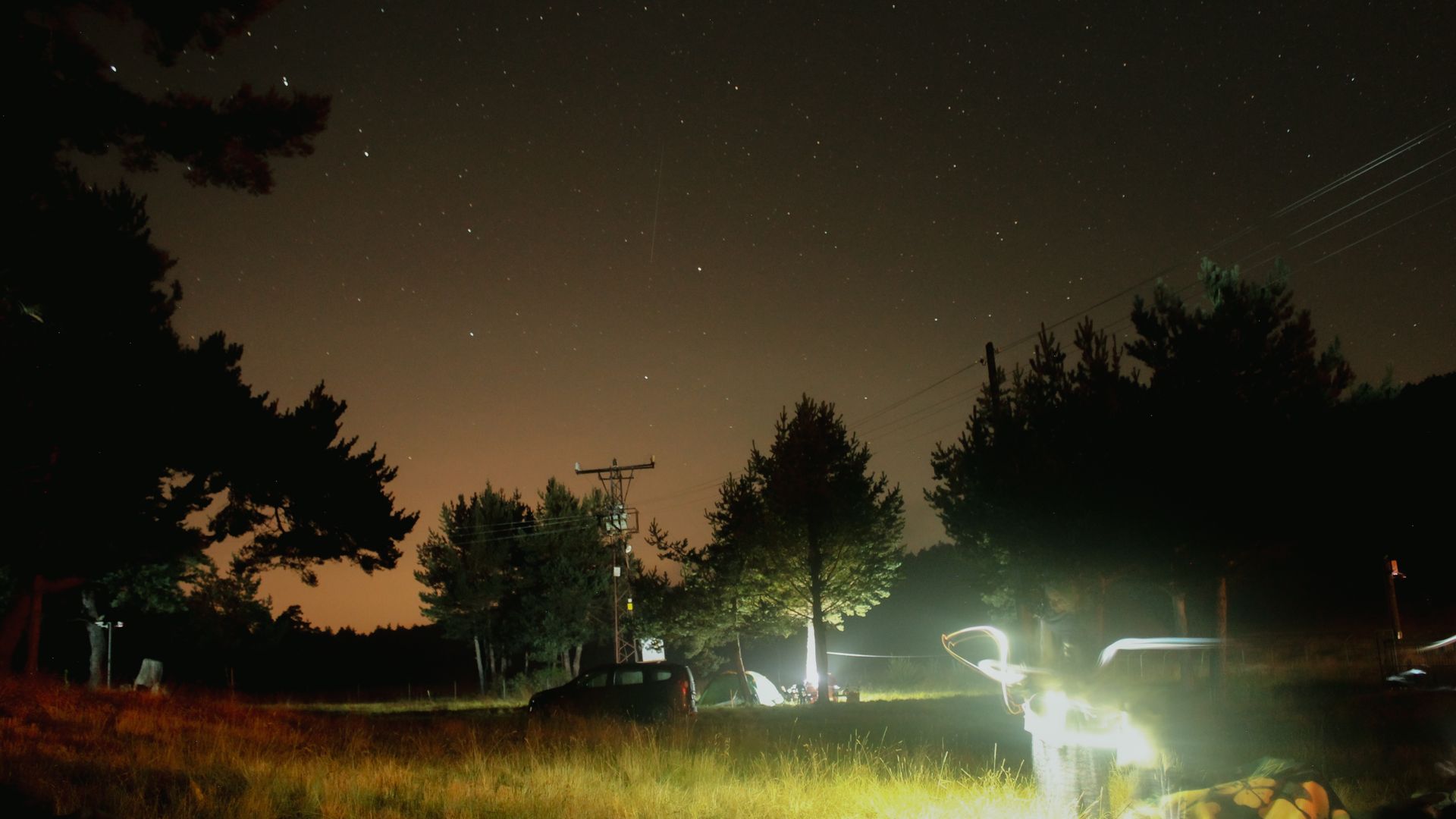
Cool Camping Gadgets That Are Actually Worth Packing
Cool camping gadgets are small, clever tools that fix the annoying parts of a trip: dead phones, dark tents, dirty water, slow fires, and cold food. The best ones earn their place in your pack by solving one real problem without adding much weight. A portable power bank keeps your phone and headlamp alive. A good water filter turns a stream into drinking water. A compact stove cooks a hot meal in minutes. A warm, bright lantern turns a dark campsite into a place you actually want to sit.
The trap is packing for the catalog instead of the trip. A gadget that looks fun in a video can become dead weight on a muddy trail. Before you buy anything, picture your actual trip: car camping with the family, a weekend hike, or a solo overnight. Car campers can afford bigger, heavier comforts. Backpackers need everything light and small. The gadgets below are grouped by the problem they solve, so you can pick what fits your trip and skip the rest without feeling like you missed out.
That problem-first check works for any gear. Camp cooking gear has a lot in common with kitchen gadgets at home, only smaller and tougher. Navigation and safety devices borrow ideas from wearable technology, like GPS and health tracking in a watch-sized package. And if you want to compare across categories before you spend, our gadget guides cover the basics of judging a device by what it does for you, not by how flashy it looks.
Power: Keep Phones, Lights, and Cameras Alive
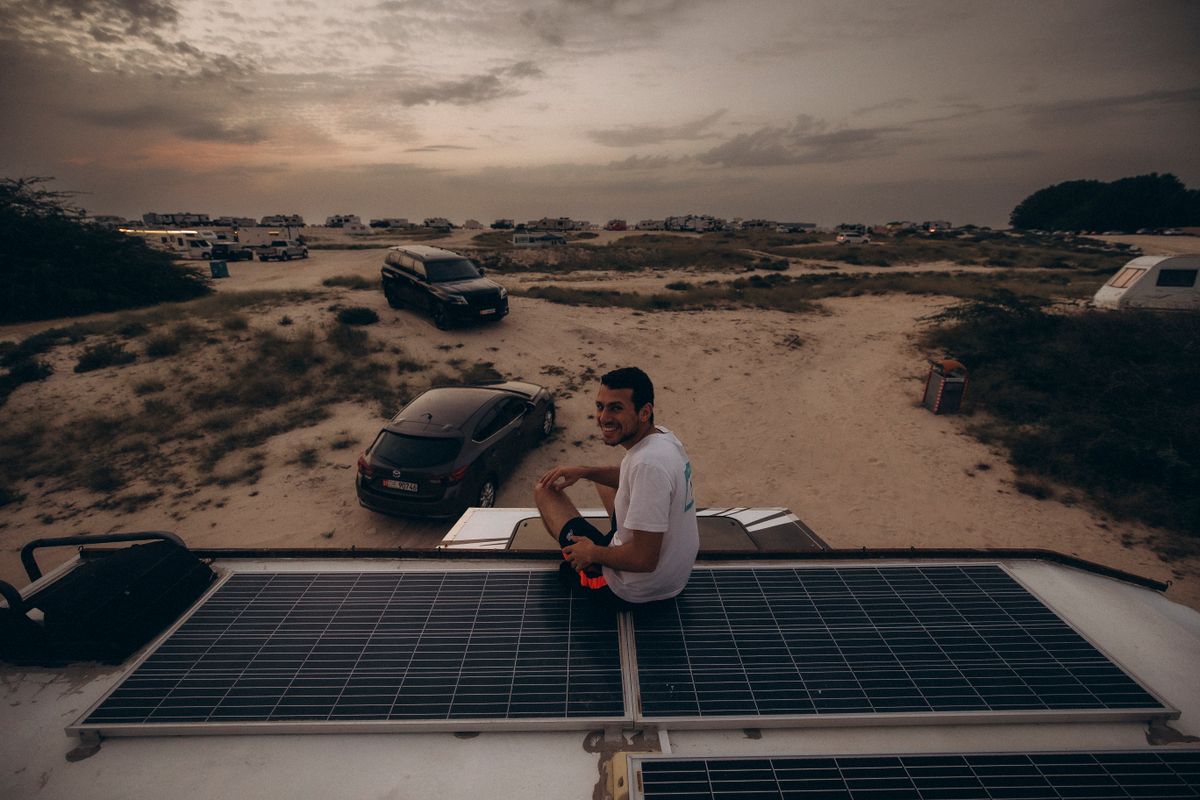
Power is the first thing most campers get wrong. Phones die, headlamps dim, and cameras run out right when the light gets good. A portable power bank is the simplest fix. Pick one with enough capacity for your trip length, a USB-C output for fast charging, and a rugged shell that survives a drop on rocks. For longer trips, a small folding solar panel can top up the bank during the day while you hike or fish.
A portable power station is the bigger step up. It is a heavy battery with outlets that can charge laptops, run a small fan, or power a mini fridge for a night. It suits car camping and family trips where weight does not matter much. For backpacking, it is usually overkill. A good rule is to carry the smallest power setup that covers your real needs, plus a little margin. Charging a phone twice and a headlamp once is a realistic target for a weekend. Charging a whole kitchen is not.
Lighting: Lanterns, Headlamps, and String Lights
Good lighting changes a campsite more than almost anything else. A headlamp keeps your hands free for cooking, setting up a tent, or finding the trail back from the bathroom at night. A lantern lights the whole table so everyone can eat, play cards, or read. String lights add a warm glow that makes a site feel settled instead of stark.
When you shop, look at brightness, battery life, and how the light spreads. A harsh white beam is fine for walking, but it is unpleasant for sitting around a table. Many modern lanterns let you dim the light and switch to a warmer tone, which is easier on the eyes and less likely to attract every insect in the area. Red-light modes help you keep night vision when you step outside the tent. Bring a spare set of batteries or a way to recharge, because a dead headlamp on night two is a miserable experience.
Water: Filters, Purifiers, and Storage
Clean water is non-negotiable, and it is also one of the easiest problems to solve well. A squeeze filter or straw filter turns stream or lake water into drinking water with little effort, and it weighs almost nothing. A gravity filter hangs from a tree and fills a bag while you set up camp, which suits groups. A purifier bottle handles both filtering and treating water in one step, which helps when you are unsure about the source.
Carry more water than you think you need, and know where the next source is. A collapsible water container weighs nothing when empty and saves repeated trips to the stream. Always follow the filter maker’s instructions for cleaning and storage. A filter that has been left damp and dirty for months may not work when you need it. If the water looks muddy, let it settle and pre-filter through a cloth before running it through your main filter.
Cooking: Stoves, Cookware, and Fire Starters
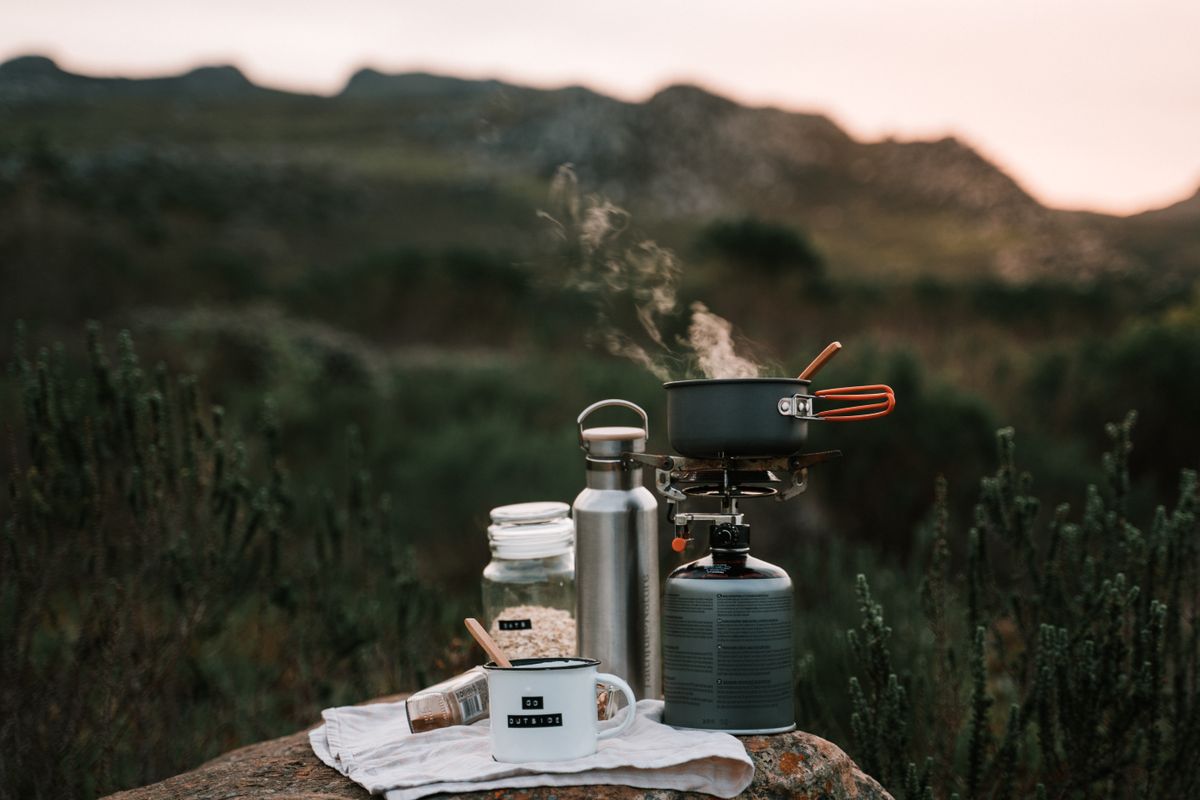
Camp cooking has gotten far better than the old image of cold beans from a can. A compact single-burner stove with a windscreen boils water fast and simmers well enough for real meals. A nesting cookware set packs a pot, a pan, and bowls into one bundle. A good lighter and a few fire starters make campfires far less frustrating, especially after rain.
The trick is matching the stove to your trip. A canister stove is simple and fast for most campers. A liquid-fuel stove handles cold weather and longer expeditions better. A wood-burning camp stove is fun and needs no fuel canisters, but it is slower and smoky, and it may be banned during fire season. Whatever you pick, practice at home first. The first time you use a new stove should not be in the dark, in the rain, with hungry people watching.
Comfort and Sleep: Pads, Pillows, Chairs, and Fans
Comfort gear is where car campers can really win. A thick sleeping pad, a real pillow, and a sturdy camp chair turn a rough night into a restful one. A small battery fan moves air through a stuffy tent and keeps mosquitoes at bay. A packable hammock gives you a nap spot with a view, as long as you have two solid trees and permission to hang from them.
Backpackers have to be stricter. Every comfort item costs weight and space. A lighter pad with good insulation often beats a heavier one with more padding. A pillow that stuffs into its own sack is worth more than a pillow you have to carry separately. Test your sleep setup in the backyard before the trip. A night of poor sleep can ruin a trip faster than any broken gadget.
Safety and Navigation: Stay Found and Stay Safe
Safety gadgets are the ones you hope you never need. A satellite communicator sends messages and an SOS signal where there is no cell service, which matters on remote trails. A basic first-aid kit, a whistle, and a map and compass still belong in every pack, even if you carry a phone with GPS. A multi-tool handles repairs, food prep, and small emergencies.
Do not let a gadget replace basic skills. A GPS watch can show your position, but it cannot tell you whether a river crossing is safe or a storm is coming. Check the weather before you go, tell someone your route and return time, and know how to use every safety device you carry. A satellite communicator with a dead battery is just extra weight.
Camping Gadgets at a Glance
| Gadget type | Problem it solves | Weight and space note | Best for |
|---|---|---|---|
| Power bank / solar panel | Dead phones and lights | Light to medium, pocket size | Every trip |
| Portable power station | Laptops, fans, mini fridge | Heavy, car camping only | Family car camping |
| Headlamp + lantern | Hands-free light, table light | Light, small | Every trip |
| Water filter | Safe drinking water | Very light | Hikers, backpackers |
| Compact stove + cookware | Hot meals, boiled water | Medium, nests together | Most campers |
| Sleeping pad + pillow | Sleep comfort, warmth | Medium, varies by model | Overnight trips |
| Camp chair + fan | Sitting comfort, airflow | Medium to heavy | Car camping |
| Satellite communicator | SOS and messages off-grid | Light, pocket size | Remote trails |
| Multi-tool + fire starters | Repairs, fire, prep | Very light | Every trip |
Small Luxuries That Are Worth It
Some gadgets are not essential, but they make a trip noticeably better. A portable coffee maker or pour-over set gives you a real cup in the morning instead of instant. A compact speaker plays music at camp, as long as you keep the volume low and respect your neighbors. A star-gazing app or a simple constellation guide turns a clear night into entertainment. A dry bag keeps clothes and electronics safe in rain or near water.
The test for a luxury gadget is simple: does it make the trip better without making the pack much heavier or the setup much longer? A coffee maker that takes two minutes and weighs little passes. A projector that needs a screen, a battery, and a dark wall does not, at least not for most trips.
What to Skip
Skip anything that solves a problem you do not have. A shower tent is great for a week-long base camp and pointless for one night. A portable washing machine is fun to watch online and hard to justify in a pack. A gadget that needs its own app, its own charger, and its own subscription for a weekend trip is usually a bad trade.
Skip duplicates too. One good light beats three weak ones. One reliable stove beats a stove plus a backup stove plus a fire pit you never use. Lay out everything you plan to pack, remove the items you cannot explain in one sentence, and you will end up with a lighter bag and a simpler trip.
A Simple Packing Checklist
Use this list to pack without overthinking it. Adjust for your trip length and weather, but do not add a category just because it exists.
- Power: power bank, charging cable, solar panel if off-grid for days
- Light: headlamp, lantern, spare batteries
- Water: filter, water bottles, collapsible container
- Cooking: stove, fuel, lighter, cookware, utensils, food
- Sleep: tent, sleeping pad, sleeping bag, pillow
- Comfort: camp chair, fan, hammock if trees allow
- Safety: first-aid kit, whistle, map, compass, satellite communicator if remote
- Extras: dry bags, trash bags, sunscreen, insect repellent, coffee kit
Pack the essentials first, then add comforts only if space and weight allow. If the bag is already full, the gadget does not come, no matter how cool it looked online.
Frequently Asked Questions
What are the most useful camping gadgets for beginners?
Start with the basics that cover every trip: a headlamp, a power bank, a water filter, a compact stove, and a reliable sleeping pad. These five solve the problems every beginner runs into. Add fancier gear only after a few trips show you what you actually miss.
Are solar chargers worth it for camping?
They are worth it on longer trips with plenty of sun, where a power bank alone runs out. For a one or two-night trip, a fully charged power bank is usually simpler and more reliable. Solar panels help most as a way to top up a bank during the day, not as your only power source.
What camping gadgets should I avoid?
Avoid gadgets that duplicate something you already carry, need a subscription for a short trip, or add a lot of weight for a small benefit. If you cannot explain in one sentence why a gadget belongs in your pack, leave it home.
How do I keep gadgets safe from rain and dust?
Use dry bags for electronics, keep charging ports covered, and store power banks and cameras inside the tent at night. A small waterproof pouch for your phone and a dry bag for clothes will prevent most weather damage.
Do I need a satellite communicator for car camping?
Probably not, if you camp near roads and cell service. A satellite communicator matters most on remote trails, in deep valleys, and in areas with no coverage. Check your destination’s coverage before you decide.
What is the best way to choose between similar gadgets?
Compare them on weight, battery life, durability, and ease of use, in that order for most trips. The lightest device that does the job well and survives a drop usually wins. Read real trip reports rather than feature lists, and test the winner at home before you rely on it outdoors.
Final Thoughts
The best camping gadget is the one you forget you packed until you need it, and then it just works. Keep your kit simple, test everything before the trip, and judge each gadget by whether it made the trip easier, lighter, or more comfortable. If it did, keep it for next time. If it did not, leave it home and enjoy the extra space. The point of camping is not the gear. It is the night under the stars, the hot meal, and the quiet morning after, with just enough tech to make all of it easier.
